
New York City ZIP Codes (NY)
- ZIP codes
- 334 245 standard · 27 PO box · 62 unique
- Counties
- New York, Richmond, Bronx, Queens, Kings
- Area codes
- 212, 347, 516, 646, 718, 914, 917, 929
- Local time
- --:-- New York time zone
- Population in these ZIPs
- 8,108,185
- Land area
- 284 sq mi
people per square mile, low to high · PO box and unique ZIPs have no area and are listed in the table
| ZIP | Type | Also called | Population | Median income | Home value |
|---|---|---|---|---|---|
| 10001 | Standard | 21,102 | $81,671 | $650,200 | |
| 10002 | Standard | Knickerbocker | 81,410 | $33,218 | $535,600 |
| 10003 | Standard | 56,024 | $92,540 | $817,700 | |
| 10004 | Standard | Bowling Green | 3,089 | $129,313 | $894,200 |
| 10005 | Standard | Wall Street | 7,135 | $124,670 | $1,000,001 |
| 10006 | Standard | Trinity | 3,011 | $119,274 | $714,300 |
| 10007 | Standard | 6,988 | $216,037 | $1,000,001 | |
| 10008 | PO Box | – | – | – | |
| 10009 | Standard | 61,347 | $59,929 | $672,800 | |
| 10010 | Standard | 31,834 | $97,955 | $746,200 | |
| 10011 | Standard | 50,984 | $104,238 | $914,500 | |
| 10012 | Standard | Prince | 24,090 | $86,594 | $1,000,001 |
| 10013 | Standard | Canal Street, Chinatown | 27,700 | $83,725 | $1,000,001 |
| 10014 | Standard | 31,959 | $108,483 | $947,300 | |
| 10015 | Standard | – | – | – | |
| 10016 | Standard | 54,183 | $105,324 | $759,600 | |
| 10017 | Standard | 16,575 | $100,652 | $637,100 | |
| 10018 | Standard | 5,229 | $104,635 | $1,000,001 | |
| 10019 | Standard | 42,870 | $84,424 | $808,600 | |
| 10020 | Standard | – | – | – | |
| 10021 | Standard | 43,631 | $107,907 | $1,000,001 | |
| 10022 | Standard | 31,924 | $109,019 | $866,100 | |
| 10023 | Standard | 60,998 | $103,534 | $872,500 | |
| 10024 | Standard | 59,283 | $109,956 | $1,000,001 | |
| 10025 | Standard | 94,600 | $68,516 | $934,600 | |
| 10026 | Standard | 34,003 | $43,107 | $602,400 | |
| 10027 | Standard | 59,707 | $37,872 | $716,100 | |
| 10028 | Standard | 45,141 | $104,638 | $1,000,001 | |
| 10029 | Standard | 76,003 | $31,888 | $787,000 | |
| 10030 | Standard | 26,999 | $31,925 | $509,000 | |
| 10031 | Standard | 56,438 | $37,655 | $369,800 | |
| 10032 | Standard | 57,331 | $34,568 | $334,900 | |
| 10033 | Standard | 53,926 | $41,556 | $422,100 | |
| 10034 | Standard | 38,908 | $41,171 | $354,700 | |
| 10035 | Standard | 33,969 | $24,533 | $445,900 | |
| 10036 | Standard | 24,711 | $66,599 | $810,300 | |
| 10037 | Standard | 17,416 | $37,341 | $260,200 | |
| 10038 | Standard | Peck Slip | 20,300 | $66,074 | $616,300 |
| 10039 | Standard | 24,527 | $33,595 | $352,300 | |
| 10040 | Standard | 41,905 | $42,721 | $317,300 | |
| 10041 | Standard | – | – | – | |
| 10043 | Unique | – | – | – | |
| 10044 | Standard | Roosevelt Isl, Roosevelt Island | 11,661 | $83,066 | $580,400 |
| 10045 | Standard | – | – | – | |
| 10046 | Unique | – | – | – | |
| 10047 | Unique | – | – | – | |
| 10048 | Standard | Manhattan, World Trade Ctr, Nyc | – | – | – |
| 10055 | Standard | – | – | – | |
| 10060 | Standard | – | – | – | |
| 10069 | Standard | 5,199 | $170,630 | $966,600 | |
| 10072 | Unique | Philip Morris | – | – | – |
| 10079 | Unique | – | – | – | |
| 10080 | Unique | – | – | – | |
| 10081 | Unique | – | – | – | |
| 10082 | Unique | Capitol Cities | – | – | – |
| 10087 | Unique | – | – | – | |
| 10090 | Standard | – | – | – | |
| 10094 | Unique | – | – | – | |
| 10095 | Standard | – | – | – | |
| 10096 | Unique | – | – | – | |
| 10098 | Standard | – | – | – | |
| 10099 | Standard | – | – | – | |
| 10101 | PO Box | – | – | – | |
| 10102 | Unique | – | – | – | |
| 10103 | Standard | – | – | – | |
| 10104 | Standard | – | – | – | |
| 10105 | Standard | – | – | – | |
| 10106 | Standard | – | – | – | |
| 10107 | Standard | – | – | – | |
| 10108 | PO Box | – | – | – | |
| 10109 | Unique | – | – | – | |
| 10110 | Standard | – | – | – | |
| 10111 | Standard | – | – | – | |
| 10112 | Standard | – | – | – | |
| 10113 | PO Box | – | – | – | |
| 10114 | Unique | – | – | – | |
| 10115 | Standard | – | – | – | |
| 10116 | PO Box | – | – | – | |
| 10117 | Unique | – | – | – | |
| 10118 | Standard | – | – | – | |
| 10119 | Standard | – | – | – | |
| 10120 | Standard | – | – | – | |
| 10121 | Standard | – | – | – | |
| 10122 | Standard | – | – | – | |
| 10123 | Standard | – | – | – | |
| 10124 | Unique | – | – | – | |
| 10125 | Unique | – | – | – | |
| 10126 | Unique | – | – | – | |
| 10128 | Standard | 60,453 | $96,296 | $1,000,001 | |
| 10129 | PO Box | – | – | – | |
| 10130 | Unique | – | – | – | |
| 10131 | Unique | – | – | – | |
| 10132 | Unique | – | – | – | |
| 10133 | Unique | – | – | – | |
| 10138 | Unique | – | – | – | |
| 10149 | Unique | – | – | – | |
| 10150 | PO Box | – | – | – | |
| 10151 | Standard | – | – | – | |
| 10152 | Standard | – | – | – | |
| 10153 | Standard | – | – | – | |
| 10154 | Standard | – | – | – | |
| 10155 | Standard | – | – | – | |
| 10156 | PO Box | – | – | – | |
| 10157 | Unique | – | – | – | |
| 10158 | Standard | – | – | – | |
| 10159 | PO Box | – | – | – | |
| 10160 | Unique | – | – | – | |
| 10161 | Standard | – | – | – | |
| 10162 | Standard | – | – | – | |
| 10163 | PO Box | – | – | – | |
| 10164 | Unique | – | – | – | |
| 10165 | Standard | – | – | – | |
| 10166 | Standard | – | – | – | |
| 10167 | Standard | – | – | – | |
| 10168 | Standard | – | – | – | |
| 10169 | Standard | – | – | – | |
| 10170 | Standard | – | – | – | |
| 10171 | Standard | – | – | – | |
| 10172 | Standard | – | – | – | |
| 10173 | Standard | – | – | – | |
| 10174 | Standard | – | – | – | |
| 10175 | Standard | – | – | – | |
| 10176 | Standard | – | – | – | |
| 10177 | Standard | – | – | – | |
| 10178 | Standard | – | – | – | |
| 10179 | Unique | Bear Stearns | – | – | – |
| 10184 | Unique | – | – | – | |
| 10185 | PO Box | – | – | – | |
| 10196 | Unique | – | – | – | |
| 10197 | Unique | – | – | – | |
| 10199 | Standard | – | – | – | |
| 10203 | Unique | – | – | – | |
| 10211 | Unique | – | – | – | |
| 10212 | Unique | – | – | – | |
| 10213 | Unique | Canal Street | – | – | – |
| 10242 | PO Box | – | – | – | |
| 10249 | PO Box | – | – | – | |
| 10256 | Unique | Deutsche Bank | – | – | – |
| 10257 | Unique | – | – | – | |
| 10258 | Unique | – | – | – | |
| 10259 | Unique | New York City | – | – | – |
| 10260 | Standard | – | – | – | |
| 10261 | Unique | – | – | – | |
| 10265 | Standard | – | – | – | |
| 10268 | PO Box | – | – | – | |
| 10269 | Unique | – | – | – | |
| 10270 | Standard | – | – | – | |
| 10271 | Standard | – | – | – | |
| 10272 | PO Box | – | – | – | |
| 10273 | Unique | – | – | – | |
| 10274 | PO Box | – | – | – | |
| 10275 | Unique | – | – | – | |
| 10276 | PO Box | – | – | – | |
| 10277 | Unique | – | – | – | |
| 10278 | Standard | – | – | – | |
| 10279 | Standard | – | – | – | |
| 10280 | Standard | 7,853 | $129,574 | $685,700 | |
| 10281 | Standard | – | – | – | |
| 10282 | Standard | 4,783 | $230,952 | $1,000,001 | |
| 10285 | Unique | – | – | – | |
| 10286 | Unique | – | – | – | |
| 10292 | Unique | – | – | – | |
| 10301 | Standard | Staten Island | 39,706 | $56,848 | $402,300 |
| 10302 | Standard | Staten Island | 19,088 | $56,841 | $382,000 |
| 10303 | Standard | Staten Island | 26,337 | $51,537 | $325,100 |
| 10304 | Standard | Staten Island | 42,193 | $53,168 | $403,700 |
| 10305 | Standard | Staten Island | 41,749 | $70,758 | $415,300 |
| 10306 | Standard | Staten Island | 55,909 | $75,807 | $450,200 |
| 10307 | Standard | Staten Island | 14,096 | $86,457 | $567,400 |
| 10308 | Standard | Staten Island | 27,357 | $88,075 | $452,600 |
| 10309 | Standard | Staten Island | 32,519 | $86,297 | $539,100 |
| 10310 | Standard | Staten Island | 24,962 | $61,925 | $414,600 |
| 10311 | Standard | Staten Island | – | – | – |
| 10312 | Standard | Staten Island | 59,304 | $85,324 | $467,300 |
| 10313 | PO Box | Staten Island | – | – | – |
| 10314 | Standard | Staten Island | 85,510 | $77,242 | $437,500 |
| 10451 | Standard | Bronx | 45,713 | $26,754 | $170,600 |
| 10452 | Standard | Bronx | 75,371 | $25,979 | $402,800 |
| 10453 | Standard | Bronx | 78,309 | $25,470 | $445,200 |
| 10454 | Standard | Bronx | 37,337 | $20,232 | $386,000 |
| 10455 | Standard | Bronx | 39,665 | $22,609 | $318,600 |
| 10456 | Standard | Bronx | 86,547 | $23,452 | $388,600 |
| 10457 | Standard | Bronx | 70,496 | $24,949 | $397,500 |
| 10458 | Standard | Bronx | 79,492 | $24,618 | $330,300 |
| 10459 | Standard | Bronx | 47,308 | $24,461 | $343,900 |
| 10460 | Standard | Bronx | 57,311 | $22,307 | $391,700 |
| 10461 | Standard | Bronx | 50,502 | $52,347 | $454,700 |
| 10462 | Standard | Bronx | 75,784 | $45,864 | $271,300 |
| 10463 | Standard | Bronx | 67,970 | $54,258 | $289,700 |
| 10464 | Standard | Bronx | 4,534 | $70,078 | $484,000 |
| 10465 | Standard | Bronx | 42,230 | $65,450 | $437,800 |
| 10466 | Standard | Bronx | 67,813 | $44,012 | $391,300 |
| 10467 | Standard | Bronx | 97,060 | $36,048 | $369,500 |
| 10468 | Standard | Bronx | 76,103 | $33,776 | $171,200 |
| 10469 | Standard | Bronx | 66,631 | $57,776 | $427,100 |
| 10470 | Standard | Bronx | 15,293 | $58,600 | $401,200 |
| 10471 | Standard | Bronx | 22,922 | $71,798 | $360,800 |
| 10472 | Standard | Bronx | 66,358 | $30,288 | $429,600 |
| 10473 | Standard | Bronx | 58,519 | $35,866 | $386,600 |
| 10474 | Standard | Bronx | 12,281 | $25,676 | $351,800 |
| 10475 | Standard | Bronx | 40,931 | $43,629 | $76,000 |
| 10499 | Unique | Bronx | – | – | – |
| 11004 | Standard | Glen Oaks, Floral Park | 14,016 | $81,709 | $432,500 |
| 11005 | Standard | Floral Park | 1,806 | $64,300 | $403,700 |
| 11101 | Standard | Long Island City, Astoria, Long Is City | 25,484 | $47,142 | $654,900 |
| 11102 | Standard | Astoria, Long Is City, Long Island City | 34,133 | $49,924 | $597,700 |
| 11103 | Standard | Astoria, Long Is City, Long Island City | 38,780 | $55,129 | $648,900 |
| 11104 | Standard | Sunnyside, Astoria, Long Is City | 27,232 | $56,059 | $421,800 |
| 11105 | Standard | Astoria, Long Is City, Long Island City | 36,688 | $57,525 | $658,700 |
| 11106 | Standard | Astoria, Long Is City, Long Island City | 38,875 | $48,720 | $433,600 |
| 11109 | Standard | Long Island City, Long Is City | 3,523 | $125,871 | $428,600 |
| 11120 | Unique | Long Island City, Long Is City | – | – | – |
| 11201 | Standard | Brooklyn | 51,128 | $95,369 | $669,000 |
| 11202 | PO Box | Brooklyn | – | – | – |
| 11203 | Standard | Brooklyn | 76,174 | $48,400 | $426,100 |
| 11204 | Standard | Brooklyn | 78,134 | $45,472 | $657,500 |
| 11205 | Standard | Brooklyn | 40,366 | $44,688 | $636,900 |
| 11206 | Standard | Brooklyn | 81,677 | $28,559 | $533,400 |
| 11207 | Standard | Brooklyn | 93,386 | $32,945 | $403,800 |
| 11208 | Standard | Brooklyn | 94,469 | $35,079 | $441,100 |
| 11209 | Standard | Brooklyn | 68,853 | $58,261 | $625,600 |
| 11210 | Standard | Brooklyn | 62,008 | $55,429 | $485,500 |
| 11211 | Standard | Brooklyn | 90,117 | $46,848 | $655,500 |
| 11212 | Standard | Brooklyn | 84,500 | $28,348 | $391,700 |
| 11213 | Standard | Brooklyn | 63,767 | $34,794 | $582,300 |
| 11214 | Standard | Brooklyn | 88,630 | $43,398 | $598,800 |
| 11215 | Standard | Brooklyn | 63,488 | $95,654 | $913,200 |
| 11216 | Standard | Brooklyn | 54,316 | $43,996 | $623,300 |
| 11217 | Standard | Brooklyn | 35,881 | $81,862 | $857,000 |
| 11218 | Standard | Brooklyn | 75,220 | $52,445 | $546,300 |
| 11219 | Standard | Brooklyn | 92,221 | $34,316 | $726,700 |
| 11220 | Standard | Brooklyn | 99,598 | $37,580 | $615,300 |
| 11221 | Standard | Brooklyn | 78,895 | $39,178 | $543,800 |
| 11222 | Standard | Brooklyn | 36,934 | $63,739 | $726,500 |
| 11223 | Standard | Brooklyn | 78,731 | $41,328 | $613,000 |
| 11224 | Standard | Brooklyn | 47,621 | $27,481 | $317,800 |
| 11225 | Standard | Brooklyn | 56,829 | $42,922 | $615,700 |
| 11226 | Standard | Brooklyn | 101,572 | $40,734 | $480,500 |
| 11228 | Standard | Brooklyn | 41,788 | $61,893 | $681,700 |
| 11229 | Standard | Brooklyn | 80,018 | $51,725 | $524,100 |
| 11230 | Standard | Brooklyn | 86,408 | $42,170 | $598,000 |
| 11231 | Standard | Brooklyn | 33,336 | $78,174 | $912,000 |
| 11232 | Standard | Brooklyn | 28,265 | $43,595 | $582,900 |
| 11233 | Standard | Brooklyn | 67,053 | $34,492 | $551,900 |
| 11234 | Standard | Brooklyn | 87,757 | $68,431 | $488,200 |
| 11235 | Standard | Brooklyn | 79,132 | $41,639 | $531,000 |
| 11236 | Standard | Brooklyn | 93,877 | $61,061 | $478,700 |
| 11237 | Standard | Brooklyn | 49,896 | $40,372 | $464,500 |
| 11238 | Standard | Brooklyn | 49,262 | $65,315 | $656,800 |
| 11239 | Standard | Brooklyn | 13,393 | $26,275 | $354,600 |
| 11240 | Standard | Brooklyn | – | – | – |
| 11241 | Standard | Brooklyn | – | – | – |
| 11242 | Standard | Brooklyn | – | – | – |
| 11243 | Standard | Brooklyn | – | – | – |
| 11244 | Unique | Brooklyn | – | – | – |
| 11245 | Unique | Brooklyn | – | – | – |
| 11247 | PO Box | Brooklyn | – | – | – |
| 11248 | Unique | Brooklyn | – | – | – |
| 11249 | Standard | Brooklyn | – | – | – |
| 11251 | Unique | Brooklyn | – | – | – |
| 11252 | Standard | Brooklyn, Fort Hamilton | – | – | – |
| 11254 | Unique | Brooklyn | – | – | – |
| 11255 | Unique | Brooklyn | – | – | – |
| 11256 | Standard | Brooklyn | – | – | – |
| 11351 | Standard | Flushing | – | – | – |
| 11352 | PO Box | Flushing | – | – | – |
| 11354 | Standard | Flushing | 54,878 | $46,566 | $380,600 |
| 11355 | Standard | Flushing | 85,871 | $41,884 | $507,500 |
| 11356 | Standard | College Point, Flushing | 23,438 | $58,465 | $562,900 |
| 11357 | Standard | Whitestone, Beechhurst, Flushing | 39,150 | $71,978 | $590,800 |
| 11358 | Standard | Flushing | 37,546 | $65,722 | $625,200 |
| 11359 | Standard | Bayside, Flushing, Fort Totten | – | – | – |
| 11360 | Standard | Bayside, Flushing | 18,884 | $76,183 | $524,000 |
| 11361 | Standard | Bayside, Flushing | 28,606 | $75,335 | $574,200 |
| 11362 | Standard | Little Neck, Douglaston, Flushing | 17,823 | $82,332 | $538,000 |
| 11363 | Standard | Little Neck, Douglaston, Flushing | 6,988 | $90,799 | $714,200 |
| 11364 | Standard | Oakland Gardens, Bayside, Bayside Hills | 34,555 | $72,909 | $510,800 |
| 11365 | Standard | Fresh Meadows, Flushing | 42,252 | $55,492 | $580,300 |
| 11366 | Standard | Fresh Meadows, Flushing | 13,532 | $71,350 | $610,100 |
| 11367 | Standard | Flushing, Kew Garden Hl, Kew Gardens Hills | 41,047 | $56,608 | $376,400 |
| 11368 | Standard | Corona, Flushing | 109,931 | $45,964 | $480,900 |
| 11369 | Standard | East Elmhurst, Flushing | 38,615 | $53,617 | $464,500 |
| 11370 | Standard | East Elmhurst, Flushing | 39,688 | $52,500 | $517,100 |
| 11371 | Standard | Flushing, East Elmhurst, La Guardia Airport | – | – | – |
| 11372 | Standard | Jackson Heights, Flushing, Jackson Hts | 66,636 | $48,683 | $265,500 |
| 11373 | Standard | Elmhurst, Flushing | 100,820 | $47,667 | $499,600 |
| 11374 | Standard | Rego Park, Flushing | 43,600 | $52,532 | $297,300 |
| 11375 | Standard | Forest Hills, Flushing | 68,733 | $72,000 | $358,300 |
| 11377 | Standard | Woodside, Flushing | 89,830 | $49,886 | $395,800 |
| 11378 | Standard | Maspeth, Flushing | 34,981 | $57,474 | $538,600 |
| 11379 | Standard | Middle Village, Flushing, Middle Vlg | 34,821 | $69,843 | $543,800 |
| 11380 | PO Box | Elmhurst, Flushing | – | – | – |
| 11381 | Unique | Flushing | – | – | – |
| 11385 | Standard | Ridgewood, Flushing, Glendale | 98,592 | $50,799 | $495,800 |
| 11386 | PO Box | Ridgewood, Flushing | – | – | – |
| 11390 | Unique | Flushing | – | – | – |
| 11405 | Unique | Jamaica | – | – | – |
| 11411 | Standard | Cambria Heights, Cambria Hts, Jamaica | 18,556 | $83,099 | $387,900 |
| 11412 | Standard | Saint Albans, Jamaica | 34,882 | $70,672 | $385,700 |
| 11413 | Standard | Springfield Gardens, Jamaica, Laurelton | 38,912 | $78,667 | $406,200 |
| 11414 | Standard | Howard Beach, Jamaica | 26,148 | $66,790 | $501,700 |
| 11415 | Standard | Kew Gardens, Jamaica | 19,341 | $63,549 | $289,800 |
| 11416 | Standard | Ozone Park, Jamaica | 24,861 | $56,724 | $447,200 |
| 11417 | Standard | Ozone Park, Jamaica | 28,967 | $62,086 | $442,900 |
| 11418 | Standard | Richmond Hill, Jamaica | 36,256 | $60,691 | $427,000 |
| 11419 | Standard | South Richmond Hill, Jamaica, S Richmond Hl | 47,211 | $56,735 | $442,900 |
| 11420 | Standard | South Ozone Park, Jamaica, S Ozone Park | 44,354 | $59,832 | $421,200 |
| 11421 | Standard | Woodhaven, Jamaica | 39,127 | $60,897 | $414,700 |
| 11422 | Standard | Rosedale, Jamaica | 30,425 | $84,824 | $413,800 |
| 11423 | Standard | Hollis, Jamaica | 29,987 | $60,892 | $422,200 |
| 11424 | PO Box | Jamaica, Kew Gardens | – | – | – |
| 11425 | Unique | Jamaica | – | – | – |
| 11426 | Standard | Bellerose, Jamaica | 17,590 | $82,301 | $460,500 |
| 11427 | Standard | Queens Village, Bellerose Manor, Bellrs Manor | 23,593 | $70,108 | $458,400 |
| 11428 | Standard | Queens Village, Bellerose Manor, Bellrs Manor | 19,168 | $69,330 | $407,700 |
| 11429 | Standard | Queens Village, Jamaica, Queens Vlg | 25,105 | $68,890 | $384,700 |
| 11430 | Standard | Jamaica, Jf Kennedy Ap, Jfk Airport | – | – | – |
| 11431 | PO Box | Jamaica | – | – | – |
| 11432 | Standard | Jamaica | 60,809 | $50,450 | $519,000 |
| 11433 | Standard | Jamaica, Addisleigh Park, Addisleigh Pk | 32,687 | $42,887 | $379,700 |
| 11434 | Standard | Jamaica, Addisleigh Park, Addisleigh Pk | 59,129 | $59,229 | $371,900 |
| 11435 | Standard | Jamaica, Briarwood | 53,687 | $53,041 | $338,100 |
| 11436 | Standard | Jamaica, S Ozone Park, South Ozone Park | 17,949 | $62,114 | $365,500 |
| 11439 | Unique | Jamaica | – | – | – |
| 11451 | Unique | Jamaica | – | – | – |
| 11484 | Standard | – | – | – | |
| 11499 | Unique | Jamaica | – | – | – |
| 11690 | PO Box | Far Rockaway, Edgemere, Wave Crest | – | – | – |
| 11691 | Standard | Far Rockaway | 60,035 | $39,409 | $448,200 |
| 11692 | Standard | Arverne, Far Rockaway | 18,540 | $43,354 | $355,800 |
| 11693 | Standard | Far Rockaway, Broad Channel, Rockaway Beac | 11,916 | $50,570 | $323,100 |
| 11694 | Standard | Rockaway Park, Belle Harbor, Far Rockaway | 20,408 | $76,944 | $623,200 |
| 11695 | PO Box | Far Rockaway, Fort Tilden | – | – | – |
| 11697 | Standard | Breezy Point, Far Rockaway, Rockaway Point | 4,079 | $87,636 | $525,600 |
Population, income and home values are Census estimates per ZIP area (ZCTA) and are rounded.
New York City has no single ZIP code. Its five boroughs share more than 300, and the first three digits tell you roughly where you are: 100 to 102 for Manhattan, 103 for Staten Island, 104 for the Bronx, 112 for Brooklyn, and 110, 111, 113, 114 and 116 for Queens. The map and table above show every one, so the useful question is which code applies to a specific address.
The rest of this page covers what the list cannot tell you on its own: how the numbers are organized, which codes have almost no residents, where ZIP lines and borough lines disagree, and how to avoid the mistakes that cause misdelivered mail, wrong insurance quotes and failed address checks across all five boroughs.
How Manhattan ZIP codes are numbered
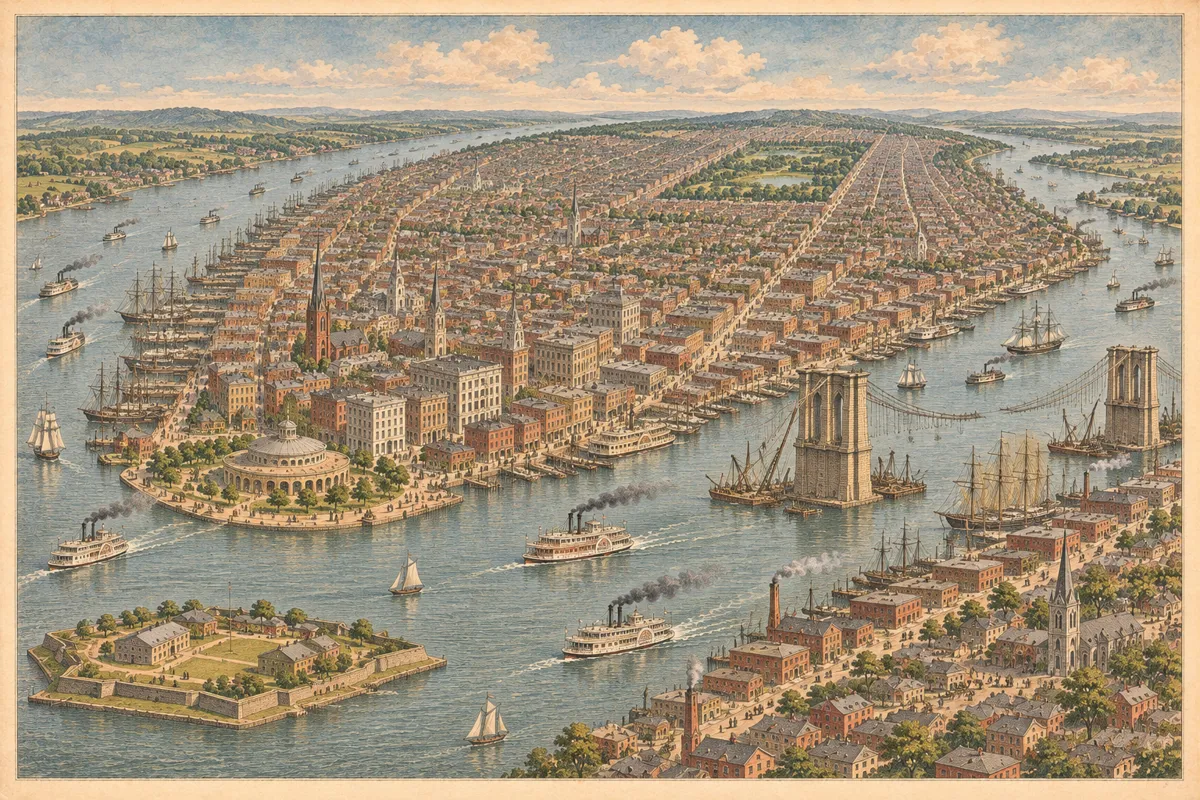
The first three digits of a ZIP code identify a sorting hub, and in New York City they have barely changed since the system arrived in the 1960s. They were introduced in 1963 and made mandatory in 1967. The prefixes sort the city by borough, with a few overlaps:
- 100, 101 and 102 are Manhattan, 103 is Staten Island, 104 is the Bronx, 112 is Brooklyn.
- Queens is split across 110, 111, 113, 114 and 116, with 116 covering the Rockaways.
- Prefixes 105 to 109 belong to the suburban counties north of the city, not to any borough.
Within Manhattan, the 100xx block runs roughly from south to north. The Financial District sits in the low 10000s, Midtown in the middle teens and twenties, Harlem in the 10020s and 10030s, and Washington Heights and Inwood near 10040. It is a handy sanity check, but it is only roughly true. ZIP 10001 covers Chelsea, not the southern tip, and codes like 10065, 10075 and 10128 were added later on the Upper East Side, which breaks the pattern.
Try this: Pick three Manhattan addresses you know and look each one up on the map above. Check whether the ZIP is higher or lower as you move uptown, then find one that breaks the pattern.
Why many Manhattan ZIP codes have no residents
A large share of Manhattan’s ZIP codes were never meant for homes. The Postal Service gives a dedicated code to any recipient that receives enough mail, so a single tower, a corporate headquarters or a government office can have its own ZIP. The Empire State Building, with 10118, is the classic example. This is why the 101xx and 102xx prefixes feel scattered: they are assigned by mail volume, not by neighborhood.
Census-based tables show the effect clearly. Several Manhattan ZIPs list a population of zero or a handful of people, even though they receive thousands of letters a day. A ZIP like that has no neighborhood, no boundary worth drawing and no meaningful demographics.
A ZIP assigned to one building or company is a mail route, not an area. If a code in the table above shows no population, treat it as a destination, not a neighborhood.
For everyday use, this means you can ignore most of the 101xx and 102xx codes unless you are sending mail to a specific organization. If you are checking where someone lives, search results that land on a unique ZIP usually mean the address is a business or an institution.
Neighborhood anchors worth knowing
Some ZIPs map cleanly to a recognizable area, and a few anchors save time when you scan the list. Neighborhood names and ZIP lines never line up exactly, so treat these as starting points:
- 10004, 10005 and 10006 cover the southern Financial District, and 10007 is shared by Tribeca and the Civic Center area.
- 10280 and 10282 are Battery Park City.
- 10036 is the Times Square and Theater District area, and 10001 covers Chelsea and the Penn Station neighborhood.
- The Upper East Side uses 10021, 10028, 10065, 10075 and 10128.
- Washington Heights and Inwood use 10032, 10033, 10034 and 10040.
- East Harlem uses 10029, 10035 and 10037.
The Upper East Side shows how misleading the numbering can be. The 101xx prefix is mostly for large buildings, yet 10128 covers a residential stretch from about East 86th to East 96th Street. A reader who assumed all 101xx codes were commercial would be wrong.
“New York” or “Manhattan” as the mailing city
For Manhattan addresses, the standard mailing city is New York, NY. Manhattan, along with New York City and NYC, is accepted as an alternate name, so mail addressed to Manhattan will usually arrive. Address forms that validate against USPS data, however, often normalize to New York, and some reject “Manhattan” or flag it as a mismatch.
This is the reason you will see the target keyword split into two searches, “Manhattan ZIP code” and “New York ZIP code.” They point to the same place for Manhattan addresses. A “New York ZIP code” search can also mean the whole state or the whole city, which includes four boroughs that never use New York as a mailing name.
When filling out a form, use the street address first and let the ZIP drive the city name, not the other way around. If a form auto-fills the city from the ZIP, accept New York for Manhattan. Typing Manhattan by hand is the most common reason an otherwise correct address fails validation.
Manhattan ZIPs that sit in other boroughs
Three cases show why a ZIP and a borough are different things. Marble Hill is legally part of Manhattan and New York County, but a ship canal cut it off from the island in the 1890s and it now touches the Bronx mainland. Its mail uses ZIP 10463, which is a Bronx code. A county lookup by ZIP can therefore return two counties for the same code.
Roosevelt Island works the other way. It lies in the East River next to Queens, yet it is Manhattan, with ZIP 10044, and it falls within Manhattan Community Board 8 alongside the Upper East Side.
Rikers Island is the reverse of both. It belongs to the Bronx, but its mail uses a Queens ZIP, 11370. Addresses there look like they are in the wrong borough, but the postal side simply followed the nearest delivery route.
A ZIP code is built around delivery routes, so it can cross county, city or borough lines whenever that is efficient. Never use a ZIP alone to prove which county or borough an address is in.
If you need the legal borough or county for an address, use the New York County map or run the address through the county lookup rather than guessing from the ZIP.
Five boroughs, five counties
Every New York City borough is also a county, and the match is exact. Manhattan is New York County, Brooklyn is Kings County, Queens is Queens County, the Bronx is Bronx County, and Staten Island is Richmond County. There are no unincorporated areas or leftover townships inside the city, which is why the city has one government but five district attorneys and five county courts.
This matters for ZIP research because some data sets label rows by county, others by borough and others by mailing city. A table that says Kings is Brooklyn, and one that says Richmond is Staten Island, is the same data in a different outfit. The New York City boroughs page lays out how the boroughs, counties and historical towns fit together.
County boundaries also stop at the city line. Just north, Westchester County uses the 105 to 109 prefixes, and just east, Nassau County has its own 110 and 115 codes that sit next to Queens. A ZIP that looks like it is in Queens might be in Nassau, and the reverse is also true. If the prefix is 110, check the address before you assume the city.
Brooklyn, the Bronx and Staten Island patterns
The three smaller-footprint boroughs are the easiest to read. Staten Island runs from 10301 to 10314, so every code starts with 103. The Bronx runs from 10451 to 10475, with a 104 prefix, and Brooklyn starts at 11201 and runs through the 112xx block. Each borough’s mailing name matches its own name, so Brooklyn addresses say Brooklyn, NY and Bronx addresses say Bronx, NY.
Brooklyn has a quirk of its own. Its ZIPs are numbered from 11201 around Downtown Brooklyn and Brooklyn Heights, and the neighborhood often splits more than one code. Williamsburg, for example, is spread across more than one ZIP, and 11211 and 11249 are grouped together in one neighborhood table. Each borough also has its own page here if you want its full list and map: see Brooklyn ZIP codes and Bronx ZIP codes.
Because the Bronx and Staten Island prefixes are so compact, the 103 and 104 prefixes are the quickest way to tell where a code belongs. Brooklyn’s 112 prefix is the one to watch for confusion with Queens, since Queens also uses 111, 113 and 114 right next to it.
Why Queens addresses never say Queens
Queens is the exception to the borough-name rule. Its mail goes under neighborhood names such as Flushing, Jamaica, Astoria, Long Island City and Forest Hills, each tied to a set of ZIPs. Writing Queens, NY on an envelope usually works because the ZIP carries the delivery, but forms that check against USPS data may reject it or rewrite it to the neighborhood.
That also explains why a Queens ZIP might not look like New York City at all. A code that says Far Rockaway or Jamaica in a lookup is still in the city, and that is true even though the name sounds like a separate town. The reverse risk is real too, because several communities near the Nassau line have names and ZIPs that blend with the suburbs.
The name USPS prints on an address is a delivery label, not a legal city. In Queens, the label is usually a neighborhood, and the actual municipality is New York City.
If an address validator insists on a neighborhood name for a Queens address, use it. The city name is a delivery label, and the ZIP is the part that carries the weight.
ZIP codes versus ZCTAs in a dense city
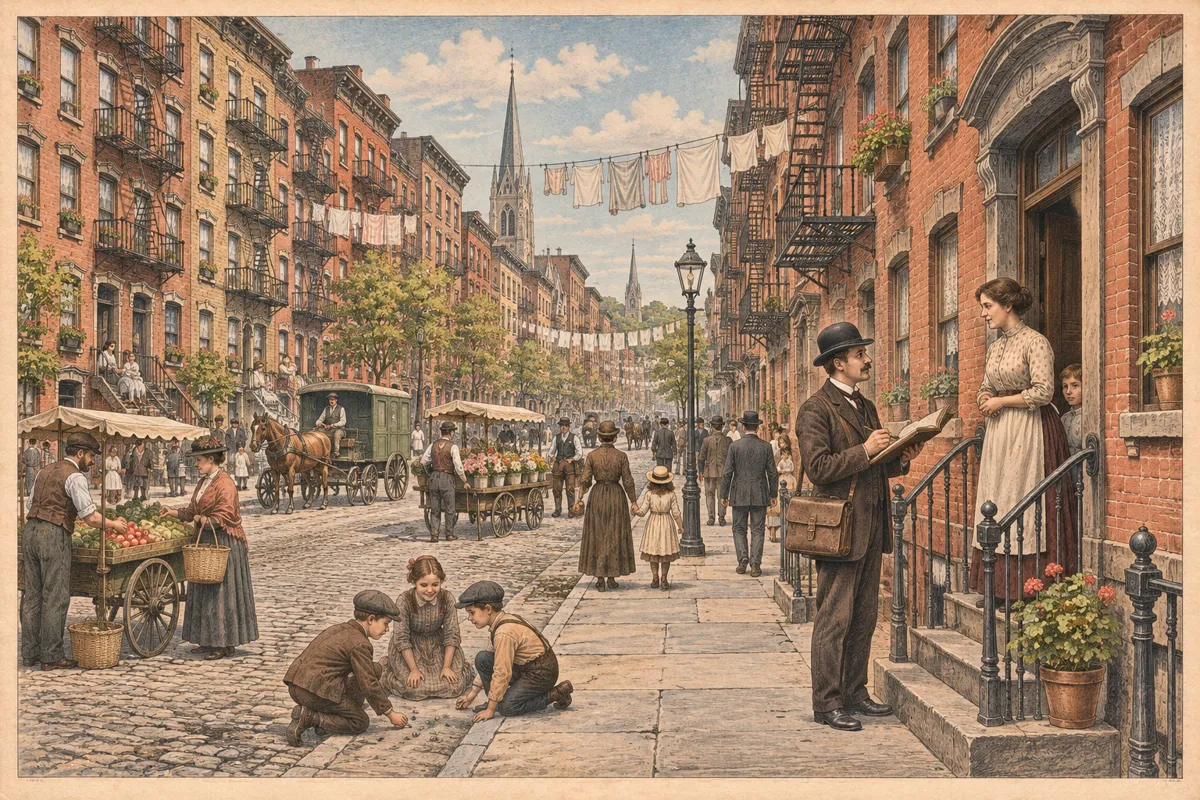
ZIP codes are not polygons. They are collections of delivery routes, and the Postal Service does not publish official boundaries. The Census Bureau builds approximate areas called ZIP Code Tabulation Areas, or ZCTAs, so that demographic and housing statistics can be tied to ZIP-like shapes. Maps that show a ZIP as a clean colored region are almost always showing a ZCTA.
In Manhattan the difference is large. Codes assigned to a single building or to PO boxes usually do not get a ZCTA of their own, and are folded into the area around them. Counts of ZIPs and counts of ZCTAs for the borough therefore do not match, and population by ZIP depends on which one the source used. The page above shows the official ZIP list, and the map is the right place to see approximate shapes.
For work that depends on exact lines, such as service areas or tax rules, a ZIP boundary is the weakest tool available. Use a rooftop-level address lookup or the Am I within city limits tool to confirm where an address falls.
ZIP codes do not match community boards or school zones
A ZIP is often used as a stand-in for a neighborhood, but city government does not use it that way. Community boards, school zones, police precincts and council districts all follow separate boundaries. One example: Manhattan Community Board 8 includes six ZIP codes, from 10021 to 10128. The reverse is also common, with one ZIP crossing two boards.
This leads to a typical mistake. A person searches by ZIP to find a school zone or a service area, and gets an answer that is right for part of the ZIP and wrong for the rest. Two neighbors on opposite sides of a street can share a ZIP and still be in different school zones.
Try this: Take your own address, find its ZIP, then look up your community board and school zone separately. Note how many other ZIPs the board covers.
The same warning applies to the congestion pricing zone, which covers Manhattan south of 60th Street. A few ZIPs near Columbus Circle and Central Park South can straddle that line, so checking by ZIP can give the wrong answer for a given address.
Area codes are not ZIP codes either
Phone area codes in New York City are overlays, so several share the same territory. Manhattan uses 212, 646 and 332, while the other four boroughs use 718, 347 and 929. The 917 code is a citywide overlay that was created for mobile numbers and is not tied to a borough.
Because of this, a phone number tells you almost nothing about which ZIP or borough someone is in. A 917 number can belong to someone in any borough, and a 212 number can belong to someone who moved to Brooklyn years ago. Treat phone prefixes as a rough hint, not a location.
The area code map shows the overlays for the city and the surrounding region. It is a better guide for phone numbers than any ZIP table, and it is a good second check when a number and an address do not seem to match.
How to find the right ZIP for an address
The fastest accurate method uses the full street address, not a neighborhood or building name. Neighborhood names like SoHo, Harlem or Hell’s Kitchen cover parts of more than one ZIP, so searching by name returns a range, not an answer. The steps below work for any borough:
- Write down the full street address, including the street number and any apartment or suite number.
- Enter it into the lookup on this page, or use What is my ZIP code if you need the ZIP for where you are standing.
- Check the borough, county and mailing city that come back, and confirm they match what you expect.
- For business mail, ask whether the recipient has a unique ZIP or ZIP+4, since those can differ from the neighborhood code.
- Save the result in the exact format the destination form expects, including ZIP+4 if requested.
The ZIP+4 extension narrows delivery to a block face, a building floor or even a single high-volume recipient. In Manhattan, a different four-digit add-on can matter more than the base ZIP when mail goes to a large office tower.
Try this: Look up the ZIP for a large Midtown office building, then the ZIP for a house two blocks away. Compare the first three digits and see whether the building has its own code.
Common ZIP mistakes in New York City
Most problems with New York ZIPs come from assuming a neat pattern where the system has exceptions. A few habits cause most of the errors:
- Using 100 as a catch-all prefix and ignoring 101xx and 102xx codes, which are real and used in addresses.
- Writing Queens, NY on a form that expects the neighborhood name.
- Assuming a ZIP identifies a borough, when Marble Hill and Rikers Island show it does not.
- Using a ZIP as a proxy for a school zone, community board or congestion zone.
- Pulling a ZIP from a neighborhood name instead of a street address.
A related error comes from copying ZIP ranges off web pages. Different sources list the Manhattan range as ending at 10282, 10286 or 10292, because ZIPs are added, retired and reassigned over time. The page above draws from official data, so rely on it instead of a remembered range.
Nearby ZIPs outside the five boroughs
The metro area does not stop at the city line, and neither do addresses that sound like New York. Mount Vernon, Yonkers and the rest of Westchester use the 105 to 109 prefixes. Nassau County sits east of Queens, and the New Jersey side of the Hudson has its own system, starting with 07. A Jersey City or Hoboken address might feel like part of Manhattan’s orbit, but it is a different state with different ZIPs. For the New Jersey side, see New Jersey ZIP codes.
For cross-checking an address near the city line, rely on the full street address, not a neighborhood label. A search for “New York ZIP code” can return a Westchester or New Jersey result if the street name matches one in the city.
If the address is near an edge, look at the state and county before the ZIP. The ZIP helps with delivery, but the county and state decide taxes, jurisdiction and services.
Common questions
What is the ZIP code for Manhattan?
Manhattan has no single ZIP code. Residential and street addresses mostly use ZIPs that start with 100, while some large buildings and organizations have their own codes starting with 101 or 102. Look up the street address on the map above to get the exact one.
Is New York, NY the same as Manhattan for mailing?
For mail, yes. Addresses in Manhattan are written as New York, NY, and Manhattan is accepted as an alternate city name. The other four boroughs use their own names or neighborhood names instead.
Which ZIP codes belong to the Bronx, Brooklyn, Queens and Staten Island?
Staten Island uses 103 prefixes, the Bronx 104, Brooklyn 112, and Queens a mix of 110, 111, 113, 114 and 116. The table above lists every ZIP by borough and county.
Can a Manhattan address have a Bronx ZIP code?
Yes. Marble Hill is part of Manhattan and New York County, but it shares ZIP 10463 with the Bronx neighborhoods around it. Lookups by ZIP can therefore show two counties for that code.
Why do some Manhattan ZIP codes have zero population?
Many are unique ZIP codes assigned to a single building, company or government office, or to PO boxes. They receive large volumes of mail but have no residents counted by the Census.
Do ZIP codes decide school zones or community boards in New York City?
No. School zones, community districts and council districts follow their own boundaries, and a single ZIP often spans several of them. Use an address lookup for those instead of a ZIP.
Keep exploring
 What Is My Zip Code?Free location tool
 Ohio County Map88 counties, interactive map
 Wisconsin County Map72 counties, interactive map
 What Is My Elevation? Your Height Above Sea LevelFree location tool
 What County Am I In? Find Your County and the County Line NearbyFree location tool
 LA ZIP Codes: Every Los Angeles, CA ZIP Code99 ZIP codes · California
 Pittsburgh, PA ZIP Codes77 ZIP codes · Pennsylvania
 Orlando, FL ZIP Codes60 ZIP codes · Florida
 California ZIP Codes: Prefixes, Ranges and How to Find Yours2,678 ZIP codes by city